How to Arrange Succulent Plants in a Bowl for Growth
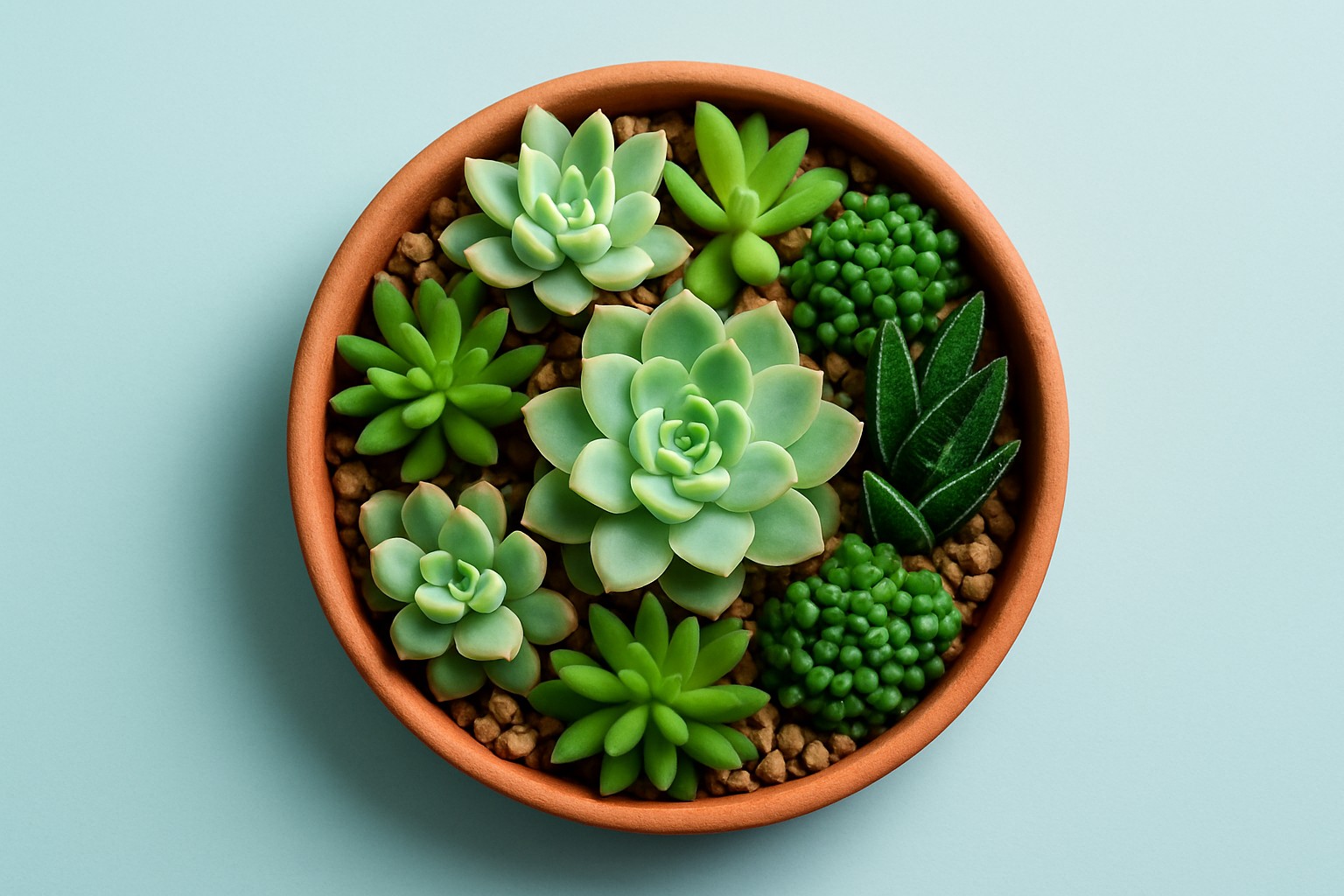
Succulent plants in a bowl have really taken off as a go-to for charming, low-maintenance decor that almost anyone can enjoy. Growing succulents in containers not only gives you plenty of flexibility but also adds a nice pop of visual interest wherever you place them.
How to Choose the Best Succulent Plants for Bowl Arrangements A Handy Guide to Make Your Green Thumb Shine
When picking out succulents for bowls it’s handy to keep their size and root systems in mind. Compact rosette types with shallow roots usually tuck in perfectly in shallow bowls. Trailing varieties can add a charming, almost theatrical cascade.
- Echeveria: Famous for their charming rosette shapes and bright, eye-catching colors they truly steal the spotlight as a centerpiece.
- Haworthia: Small and striped, these little slowpokes add just the right touch of texture and contrast without stealing the show.
- Sedum: Low-growing and trail-friendly they’re perfect for filling in edges or creating that casual, cascading vibe we all love.
- Aloe: The compact types fit snugly into arrangements. I’d steer clear of the bigger ones though because they add nice architectural height without being too overbearing.
- Crassula: Known for their rounded leaves, including the ever-popular ‘Jade Plant’ varieties that seem to fit into just about any setup.
- Sempervivum: These tough-as-nails rosettes not only look interesting but also thrive during drought.
- Graptopetalum: Sporting rosettes in soft pastel hues, they’re easy to grow and propagate making them practically foolproof.
Choosing the Right Bowl and Soil for Your Succulent Plants A Little Goes a Long Way
Picking the right bowl really makes a difference. Terracotta boosts airflow and gives your plant a breath of fresh air. Glass definitely wins points for style but can hold on to water too much. Size matters too. Your plant needs enough elbow room to stretch out. If the pot is too deep you are asking for root rot trouble down the line.
| Bowl Type | Pros | Cons | Drainage Options | Impact on Plant Health |
|---|---|---|---|---|
| Ceramic | Breathable and sturdy with a timeless look that never goes out of style | Can be on the heavier side and sometimes a bit pricey, so maybe not the best to lug around all day | Typically comes with drainage holes, which is a real bonus | Helps keep water from overstaying its welcome, making it a solid pick for succulents |
| Glass | Attractive with a sleek, modern feel that really catches the eye | Unfortunately, it usually lacks drainage, which can spell trouble with root rot if you’re not careful | Usually no drainage holes, so watering needs a bit of babysitting | Calls for a delicate touch with watering—your roots will thank you if you’re gentle |
| Terracotta | Porous material that lets air flow and helps soil dry out nicely | Can be a bit fragile and might crack if it gets too soggy or cold | Generally has drainage holes, which is great news for plant health | Fantastic for keeping roots happy and moisture in check—almost like giving your plant a breath of fresh air |
| Plastic | Lightweight, budget-friendly, and comes in a rainbow of colors to suit any vibe | Not the most breathable, and can sometimes hold onto too much moisture | Often includes drainage holes, which definitely helps | Offers decent support but you’ll want to keep an eye on watering to avoid overdoing it |
Mix equal parts of potting soil and coarse sand with perlite or pumice to make a light, well-draining blend.
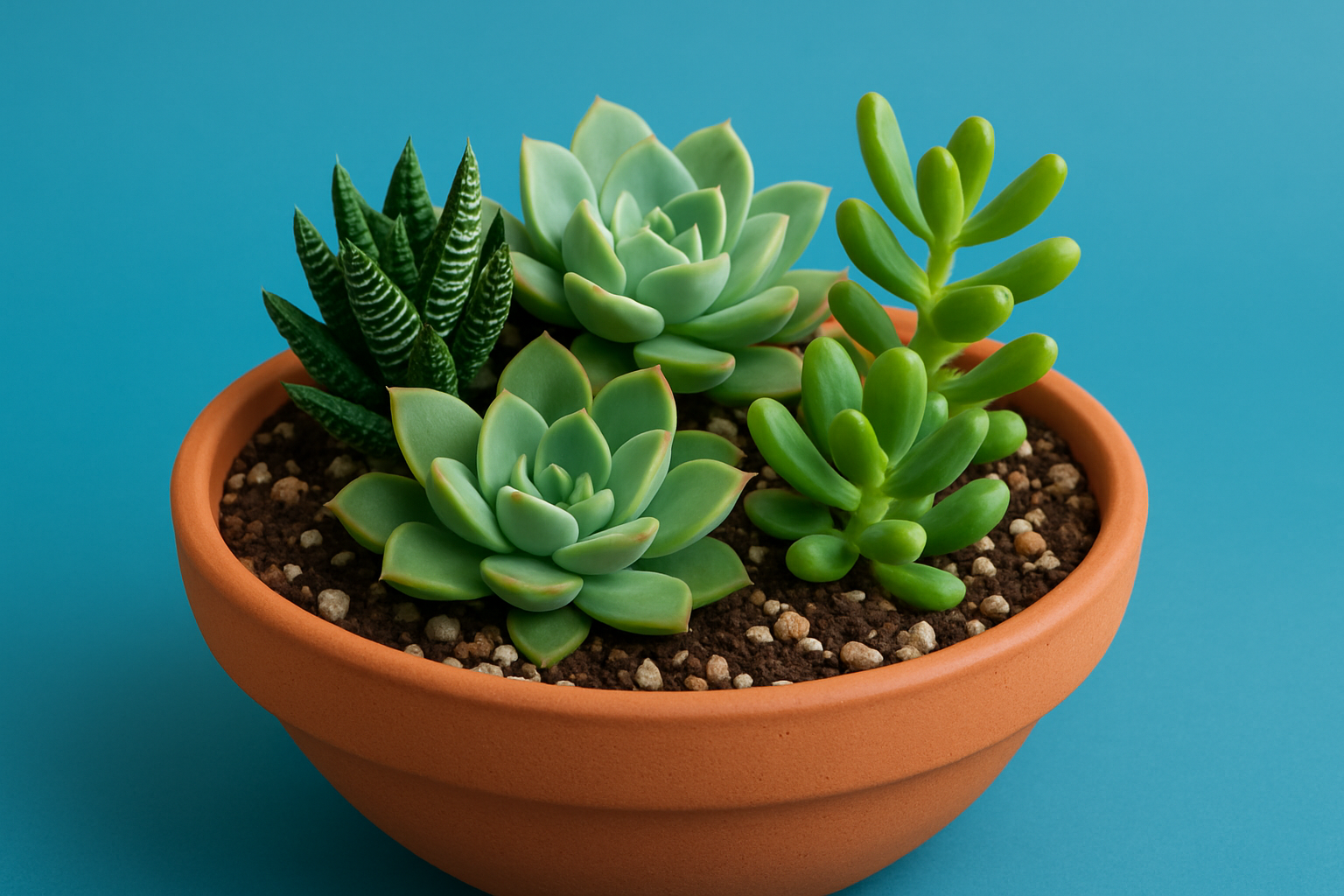
A beautifully arranged succulent bowl with a variety of species and a well-draining soil mix
A Friendly Little Guide to Arranging Succulent Plants in a Bowl
Arranging succulents in a bowl is an art form that calls for thoughtful planning. It begins with picking the right plants and prepping your bowl. Carefully position each one so they stay healthy and put on a lovely show. Keep in mind how much sunlight they’ll soak up. Give them breathing room and layer them by height to create a balanced natural display.
- Give your bowl a good scrub and make sure it has drainage holes. If it doesn’t, no worries. Just toss in a layer of small pebbles at the bottom to keep things draining smoothly.
- Fill the bowl about three-quarters of the way up with your prepared soil mix. There’s no need to pack it down too hard, just enough to create a comfy bed.
- Play around with your succulents outside the bowl to figure out the best spacing. Think of it like setting a tiny garden stage with taller plants towards the back and little guys up front stealing the spotlight.
- Carefully dig small holes and plant each succulent, pressing the soil gently around their roots. You want them snug as a bug but not squished.
- Fill in any gaps with a bit more soil mix, but remember to leave about half an inch of breathing room from the rim. A little space goes a long way.
- Give the whole arrangement a light watering so that it moistens the soil without turning it into a swamp. Tweak the plants if needed to keep everything looking nicely balanced.
"Creating a successful succulent bowl is really about striking that sweet spot between artistic flair and keeping your plants happy and healthy. Getting the spacing just right, ensuring proper drainage, and matching growth habits like a well-rehearsed dance troupe all come into play."
When putting together your succulent bowl, group plants that share similar watering and sunlight needs so caring for them does not feel like juggling flaming torches. Choose colors that clash in a fun way or harmonize gently to create a lively vibe. For example, pairing the cool blue-gray of Echeveria with the bright zesty green of Sedum really makes the whole thing pop. Play around with different plant heights to add visual texture. Tuck taller architectural types like Aloe toward the back or center and nestle the smaller rosette-shaped ones like Sempervivum around the edges. Try not to cram them in too tightly because giving your plants some breathing room helps keep the air flowing and prevents pesky diseases.
How to Care for Succulent Plants in Bowl Arrangements (Without Losing Your Mind)
Keep your succulent bowl happy and healthy by giving it a light splash of water only when the soil feels dry to the touch—no drowning plants here. Set it somewhere with bright indirect light or filtered sunlight and aim to keep the humidity just right, not too muggy or too dry.
- Water only when the soil feels completely dry to the touch. This usually happens every 2-3 weeks depending on your local climate. There is no need to water daily just yet.
- Place your bowls in bright indirect light and avoid the harsh afternoon sun that can cause leaf sunburn.
- During spring and summer, support your plants with a balanced diluted fertilizer made especially for succulents.
- Watch out for signs of overwatering such as yellowing or limp leaves or root rot. These problems can sneak up on you if you are not careful.
- If the air around your plant feels very dry, mist occasionally or set up humidity trays to keep the environment moist.
- Try to maintain a steady temperature between 60-80°F (15-27°C). Your bowls will grow best under these conditions.
- Rotate the bowl regularly so every side gets enough sunlight. This helps your plant grow evenly and balanced.
Common problems often pop up when you overwater your plants and can lead to root rot or from pests like mealybugs and spider mites sneaking in. Another tricky issue is etiolation where plants stretch out tall and spindly because they’re not soaking up enough light. Try watering less frequently, separate any troubled plants when you notice distress, and move your bowl to a brighter spot.
Creative Tips and Ideas for Crafting Stylish Succulent Bowl Displays That Stand Out
Add a few decorative flourishes to your succulent plants in a bowl—think colorful stones or tiny figurines. You can also add a splash of bright moss to introduce playful texture. Throw in a piece of driftwood or a couple of shells for a laid-back seaside vibe that never goes out of style.
- Layer different shades of gravel or sand at the bottom to create visual depth that draws the eye. It’s like giving your arrangement a scenic backdrop.
- Add fairy garden pieces like tiny chairs or fences to bring a charming whimsical vibe everyone loves.
- Include seasonal accents such as small pumpkins in autumn or miniature ornaments that make the holidays feel special.
- Choose bowl styles that match your theme. Rustic terracotta works well for a cozy farmhouse feel while clear glass offers a clean modern twist.
- Experiment with textures by mixing smooth stones with rough bark or dried flowers. This adds a lovely contrast that keeps things interesting.
- Think about adding a small solar-powered spotlight so your succulent display shines after the sun sets.